
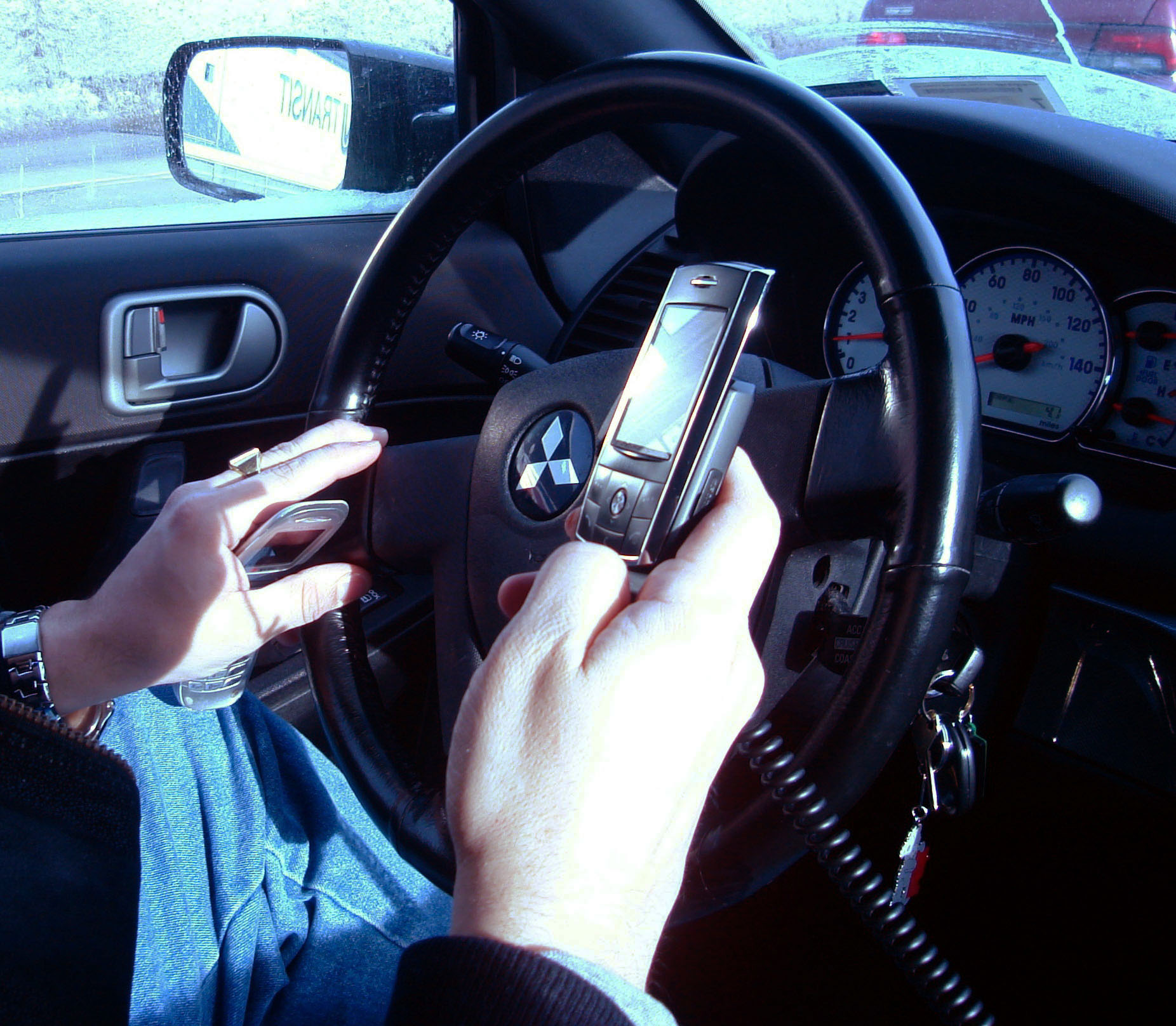
In an age where more and more personal and private
information is being stored on cellphones, an interesting question of law
arises concerning the degree of protection such information is afforded during
the course of a search by police when a driver is stopped. This information,
traditionally comprised of simple data such as the person you called or texted
and the content of that message, now includes, thanks to the development of
smartphones, GPS location history, web browser history, pictures (in some cases
intimate or explicit), and recent email traffic. This broad array of personal information
makes the search of a cell phone a much more onerous and invasive procedure
than it might have been in past ages of “dumb” phones. While the aggregation and nature of personal
content stored on cell phones has increased, so too has the technology
available to search this data. For example, in 2011 Michigan state law enforcement acquired a piece of technology known as CelleBrite UFED, a device
capable of grabbing all photos and video from an iPhone within a minute and a
half. In addition to such speed, the device is also
compatible with 3000 different phone models, and even has the capability to
defeat password protection. All of this
capacity from a device incorporated in 2011.
