It is estimated that nearly twenty-five percent of all women
will be victims of domestic violence during their life. Domestic Violence is defined as “the
willful intimidation, physical assault, battery, sexual assault, and/or other
abusive behavior perpetrated by an intimate partner against another.”[1]
While domestic violence impacts
all types of couples, relationships involving professional athletes appear to
have increased rates of domestic violence. According to the National Coalition Against Violent Athletes,
in the late 1990’s, 8.5% of the general population was charged with assault,
while the number was nearly 36.8% for athletes.[2]
We hear of these cases all the
time in the news. In late 2012,
Jovan Belcher, an NFL player for the Kansas City Chiefs, committed suicide
after he shot and killed Kasandra Perkins, his girlfriend and mother of his
infant daughter.[3] Brandon Marshall, a wide receiver for
the Denver Broncos has been involved in several domestic violence incidents––police
have been called to his home on at least eight separate occasions for domestic
violence.[4]
Marshall has also been charged
with assaulting a woman at a nightclub in New York. Manny Ramirez, once one of the Major League Baseball’s stars,
was arrested for battery after hitting his wife.[5] These are just a few examples of
hundreds.

Friday, March 1, 2013

Tuesday, February 26, 2013
Rising Courthouse Violence

Friday, February 22, 2013
Guilty But Innocent

In
November 1992, seventeen year old Daniel Taylor was awaken out of his sleep by
police and brought to the police station for questioning. Almost three and a half hours later Daniel Taylor confessed to a double
murder. The problem here is that
Daniel had an alibi, one that was later confirmed by the Assistant State
Attorney. Daniel was locked up in
a jail cell on the night of the murders making it impossible for him to have
committed this crime. Yet, he was
still tried and convicted.
Tuesday, February 19, 2013
A Change is Gonna Come: Continuing Reforms in Juvenile Justice Laws

Recently, lawmakers in Georgia have decided a
change is needed in their juvenile justice laws. After Georgia’s legislature passed a series of reforms in
March 2012 that revised sentencing laws for non-violent drug and property
offenders,[1]
lawmakers have turned their attention to fixing Georgia’s increasingly
expensive juvenile system. Will
these proposed changes represent a sincere shift in how states adjudicate young
offenders, or, will they simply be a temporary stopgap in how Georgia handles
the offenses of its youngest offenders and budgetary constraints?
Friday, February 15, 2013
Human-Sex-Trafficking at the Super Bowl

The Super Bowl is the most watched sporting event
in the world. The commercial airtime during
the Super Bowl broadcast is the most
expensive of the year and the most popular singers and musicians have performed
during the half time show in the past. However, the Super Bowl does not only
attract its fans and viewers but also traffickers. The Super
Bowl is known as
“the single largest human trafficking incident in the United States,” as Attorney General Greg Abbott told USA Today in 2011.[1]
According to Forbes, 10,000 prostitutes were brought to Miami for the Super
Bowl in 2010 and
133 underage arrests for prostitution were made in Dallas during the 2011 Super
Bowl.[2]
This year was no exception. A multi-agency task force arrested 85 people during the
week leading up to the Super Bowl XLVII held on February 3, 2013 in New
Orleans.
Tuesday, February 12, 2013
The Eye in the Sky: Domestic Aerial Drone Surveillance and the Fourth Amendment
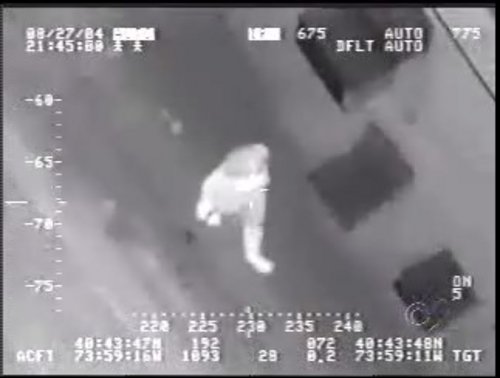
The watchful eye of the American public has recently placed the Obama administration’s drone program in its sights. The release of the Justice Department’s plan for targeted drone strikes on American citizens allegedly working for al-Qaeda has garnered considerable attention. The staggering development of drone technology has dramatically increased the administration’s capabilities to execute strikes on specific targets abroad. However, while the focus of most Americans is on drone surveillance and deadly strikes in distant countries, U.S. law enforcement agencies have been quietly expanding the use of drones for domestic surveillance.
Friday, February 8, 2013
Identity Theft: Can the Government Take DNA Material Without a Warrant?

There have been 302 total DNA
exonerations in the United States since the first one took place in 1989. Since 2000, there have been 289
post-conviction exonerations. DNA evidence is one area of criminal law that is
always in the news. Last week, on
January 29, 2013, a former Ohio police captain was released from prison after fifteen
years, when new DNA tests proved he was innocent of his wife’s 1997 murder.[1]
The Governor of New York recently
announced that he is expanding the state’s DNA database.[2]
DNA evidence is becoming one of
the most useful tools for criminal law, but at the same time has some controversy
around it. While there are
wonderful benefits to DNA testing and having a DNA database, there are serious
concerns with the collection practices of the government.
Tuesday, February 5, 2013
California: Finding a Balance Between Overcrowded Prisons and Prison Sentences

Subscribe to:
Posts (Atom)